
What's The Difference Between Light Fantasy And Dark Fantasy?
Is your world bathed in sunshine or shrouded in shadows? As a fantasy author, the light fantasy vs. dark fantasy debate can be a perplexing one.

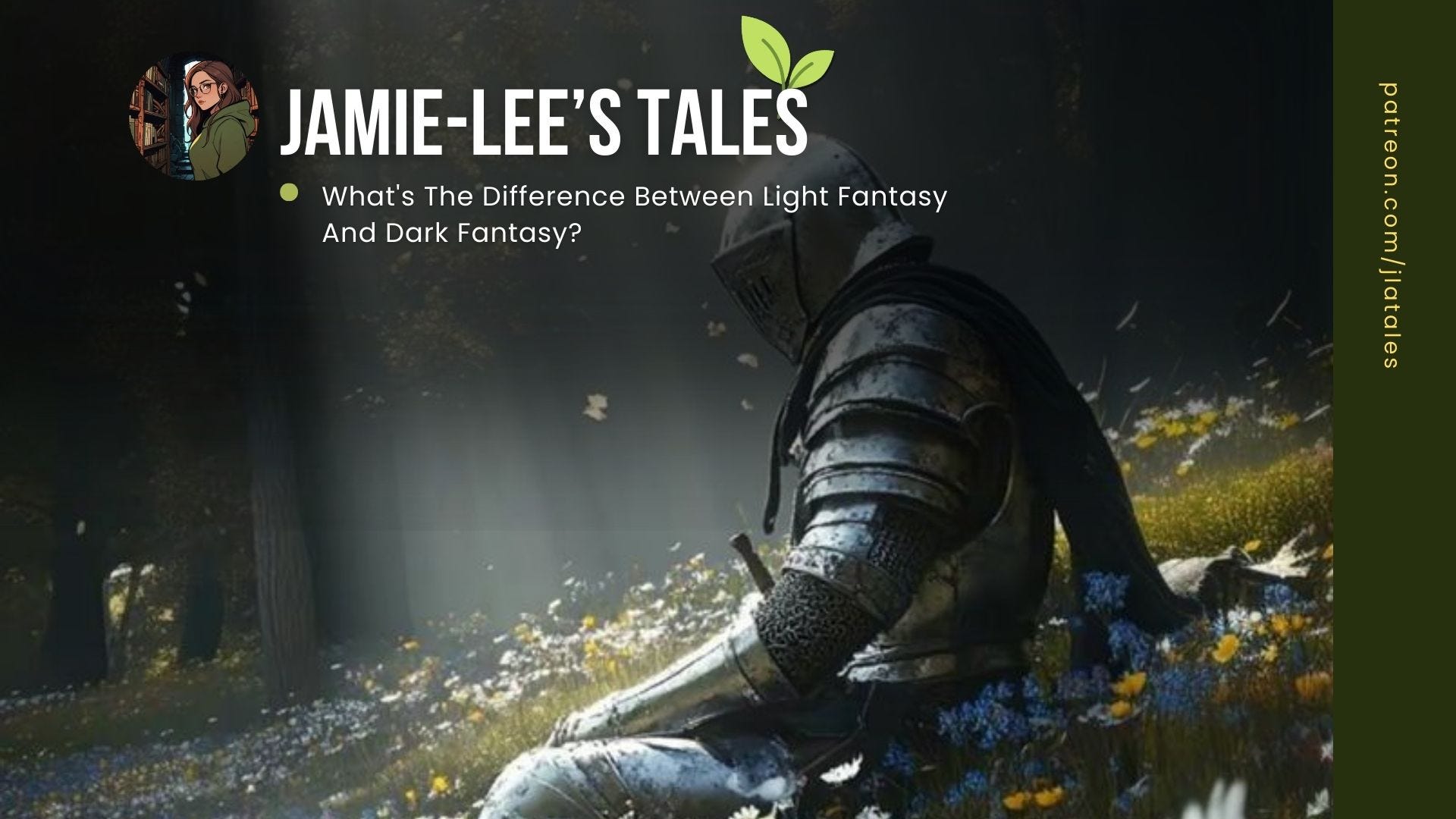
Let's talk about something that's probably kept you up at night at least once (because let's be honest, writer brains never truly sleep): light fantasy vs. dark fantasy.
As a content writer and a die-hard dark fantasy fan for the past 12 years, I've seen this struggle firsthand. You've poured your heart into this world, crafted these amazing characters, and now you're wondering – is it light and fluffy, or dark and gritty?
The problem authors face when asking about light vs. dark fantasy isn't exactly a single, clear-cut issue. It stems more from the blurry nature of the subgenres themselves. Here's the breakdown:
Subjectivity: There's no rigid definition of what makes something light or dark. A humorous story with a chosen one battling an evil sorcerer could be light fantasy, but if the tone is bleak and the stakes feel real, it could lean darker.
Overlapping Elements: Both light and dark fantasy can have magic, fantastical creatures, and epic journeys. The difference often lies in mood, themes, and the portrayal of good vs. evil.
Spectrum, Not Binary: It's not always black and white. A fantasy world might have lighthearted moments despite a serious overarching plot, or a dark story might have pockets of humor or hope.
The Elusive Line - Embracing Subjectivity
Here's the thing: there's no magic sorting hat for fantasy subgenres. It's not always sunshine or shadows. Think of it like a flickering candle flame. The bright, cheery side represents light fantasy – think humor, clear-cut good vs. evil, and happy endings.
But tilt the candle slightly, and those dancing shadows? That's where the darkness creeps in. The same classic hero's journey could take a dark turn if the path is brutal and the hero wrestles with their own inner demons.
Tips For Embracing Subjectivity:
Focus on Tone and Themes: Instead of strictly light vs. dark, consider the overall tone (serious, humorous, hopeful) and the themes explored (good vs. evil, redemption, corruption). These elements will create the emotional core of your story, regardless of where it falls on the light-dark spectrum.
Consider the Stakes and Worldbuilding: How dire are the consequences in your world? Is it a place of vibrant beauty or shrouded in decay? Examining these aspects can give you a sense of the story's darkness, even if the characters themselves are lighthearted.
Character Morality: Are the heroes and villains clear-cut archetypes, or are they morally grey? This can be a strong indicator of where your story leans. Don't be afraid to create characters with flaws and complexities, even in a lighter fantasy.
Read Widely: Explore both light and dark fantasy to see how different authors create distinct moods and themes. This will help you refine your own voice and understand how seemingly small details can influence the overall feel of your story.
Trust Your Gut: Ultimately, the most important thing is to write the story that feels right to you. Don't get bogged down in categorization. Let your creative vision guide the tone and themes, and the light-dark balance will emerge organically.
Friends or Foes? The Overlap Between Light and Dark
Now, you might be thinking, "But wait, both light and dark fantasy can have magic, fantastical creatures, and epic quests!" Absolutely! The key difference lies in the overall tone and themes.
Light fantasy might feature a whimsical talking squirrel helping a princess on her quest (think lighthearted and good vs. evil).
Dark fantasy, on the other hand, might involve a cunning goblin striking a bargain with a desperate warrior, blurring the lines between right and wrong (serious tone, morally grey themes).
Shades of Twilight - The Beauty of the In-Between
But here's the beauty of fantasy: there's a whole world in between the light and the dark. You can absolutely blend elements of both! In fact, some of the most captivating stories I've read occupy that in-between space.
They create a more nuanced and realistic world, where the line between good and evil isn't always black and white. Take my favorite dark fantasy series for example – a group of monster hunters who crack jokes despite facing horrific creatures. Grim, yes, but with a touch of dark humor that makes it all the more compelling.
Tips for Blending Light and Dark:
Genre Mashup: Don't be afraid to combine elements traditionally associated with different subgenres. A classic coming-of-age story can have a dark undercurrent, or a high-stakes adventure might have moments of heartwarming camaraderie.
Morally Grey Characters: Create characters who are neither purely good nor evil. This complexity allows readers to connect with them on a deeper level and adds a layer of realism to your world.
Humor in the Face of Darkness: A touch of humor can be a powerful tool, even in a dark setting. It can create a sense of relief, highlight the absurdity of a situation, or showcase the characters' resilience.
Worldbuilding with Contrasts: Don't be afraid to create a world with contrasting elements. A kingdom bathed in sunlight could harbor a dark secret, or a monstrous creature might possess a surprising gentleness. This juxtaposition keeps the world dynamic and surprises readers.
Balance is Key: While blending light and dark, strive for a balance that feels natural within your story's context. Don't force lighthearted moments into a grim narrative, or vice versa.
Conclusion
So, the next time you're wrestling with the light vs. dark debate, remember this: the most important thing is to craft a story with the right tone and themes to bring your vision to life. Don't get hung up on the perfect label.
☕️ Liked this? Then please consider supporting my writing by buying me a cup of coffee – I promise I won’t let this one go cold! Alternatively, if you think someone would love reading this, feel free to share it 💌